Basement Waterproofing guide • Quincy, MA
In much of Quincy, the water table sits close enough to the surface that your basement is effectively a concrete box sitting in groundwater. That changes everything about how water gets in.
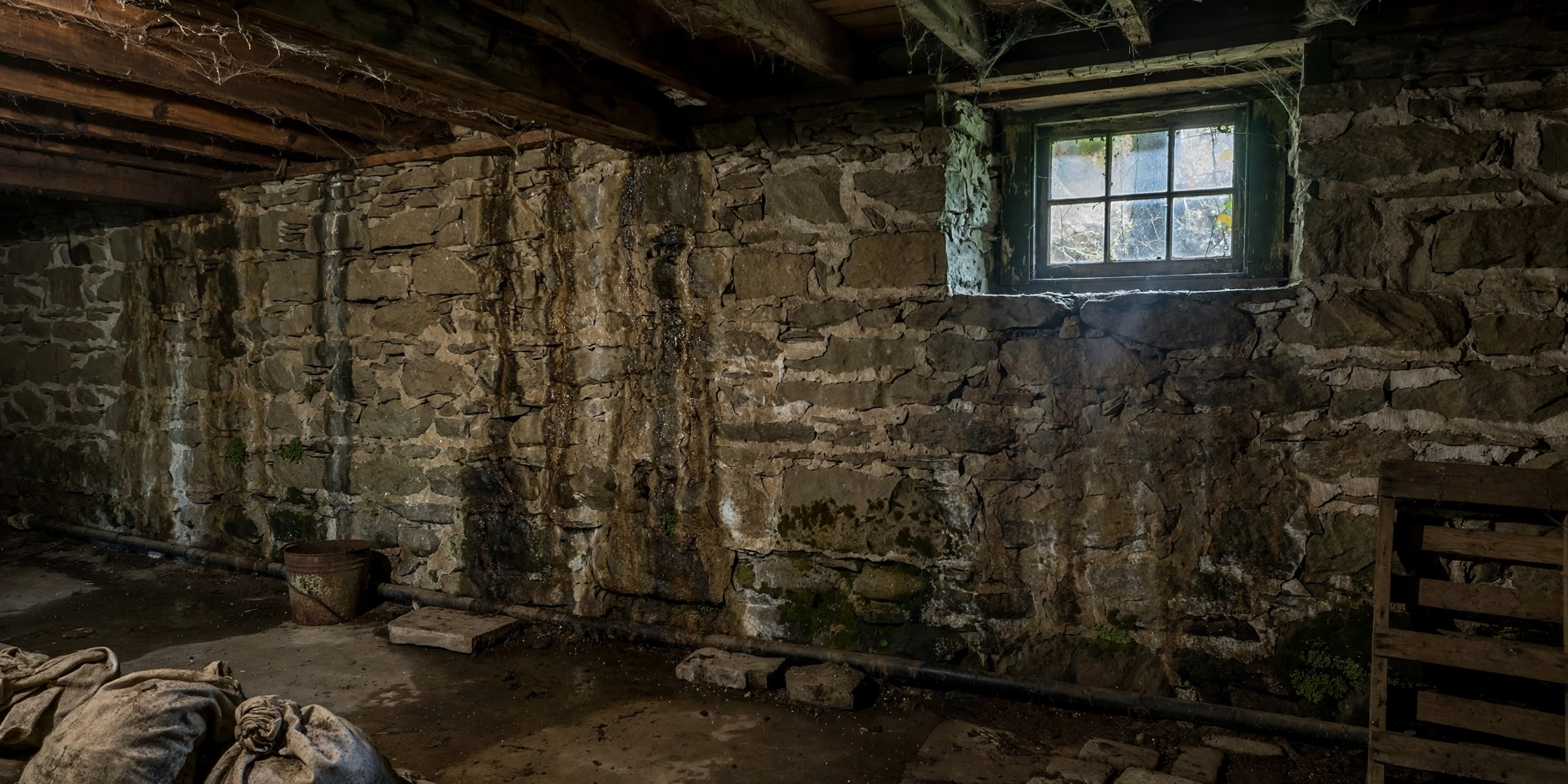
Waterproofing advice written for dry-soil suburbs does not apply here. When the ground itself is saturated, water does not need a storm to push through your foundation; it just needs time.
Water in saturated soil pushes against foundation walls and floors from every direction, all the time. It finds hairline cracks, the wall-floor joint, and porous concrete. This is not a leak; it is physics.
The water table rises with snowmelt and fall rains. Basements that stay dry all summer can weep every April. If your basement has a season, the water table is the calendar.
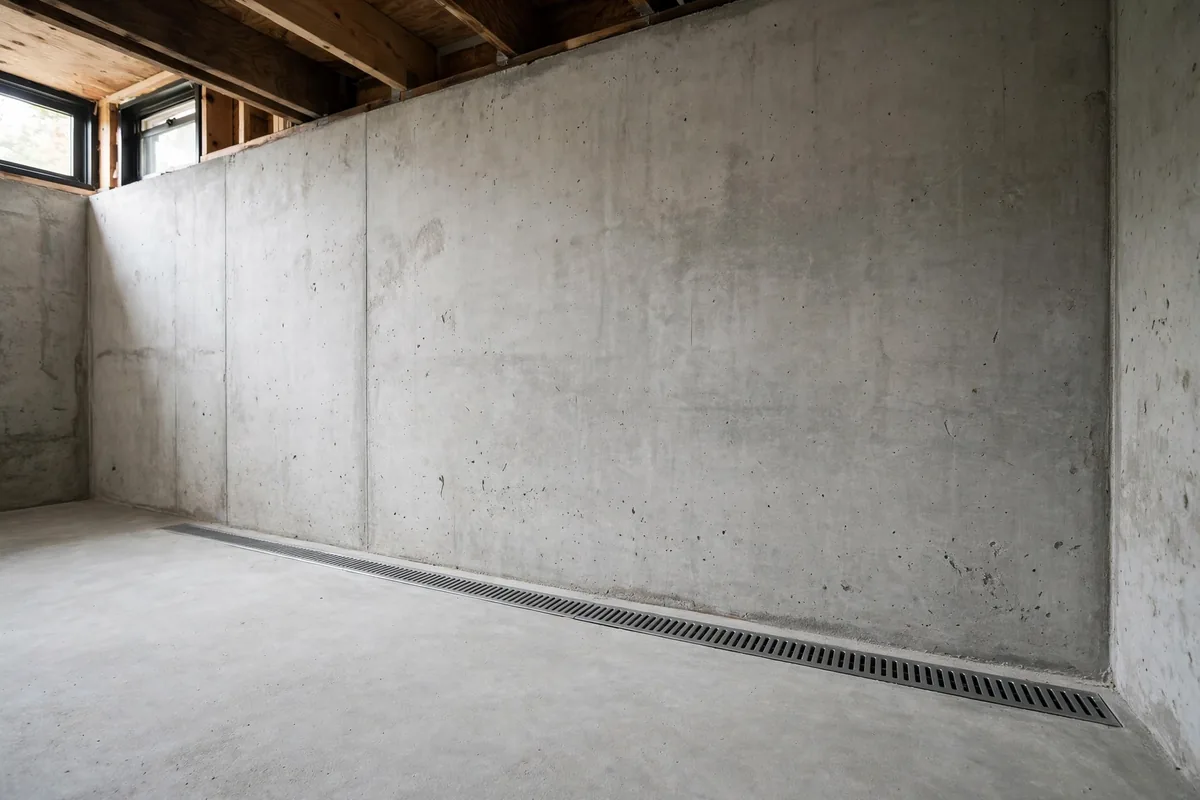
Where the wall meets the floor is a cold joint, never fully bonded. Under pressure it is the first place water appears, usually as seepage along the perimeter after heavy rain or thaw.
Waterproof paint peels and hydraulic cement cracks because neither addresses pressure; they just cover the exit. Against a high water table, water has to be collected and redirected, not blocked.
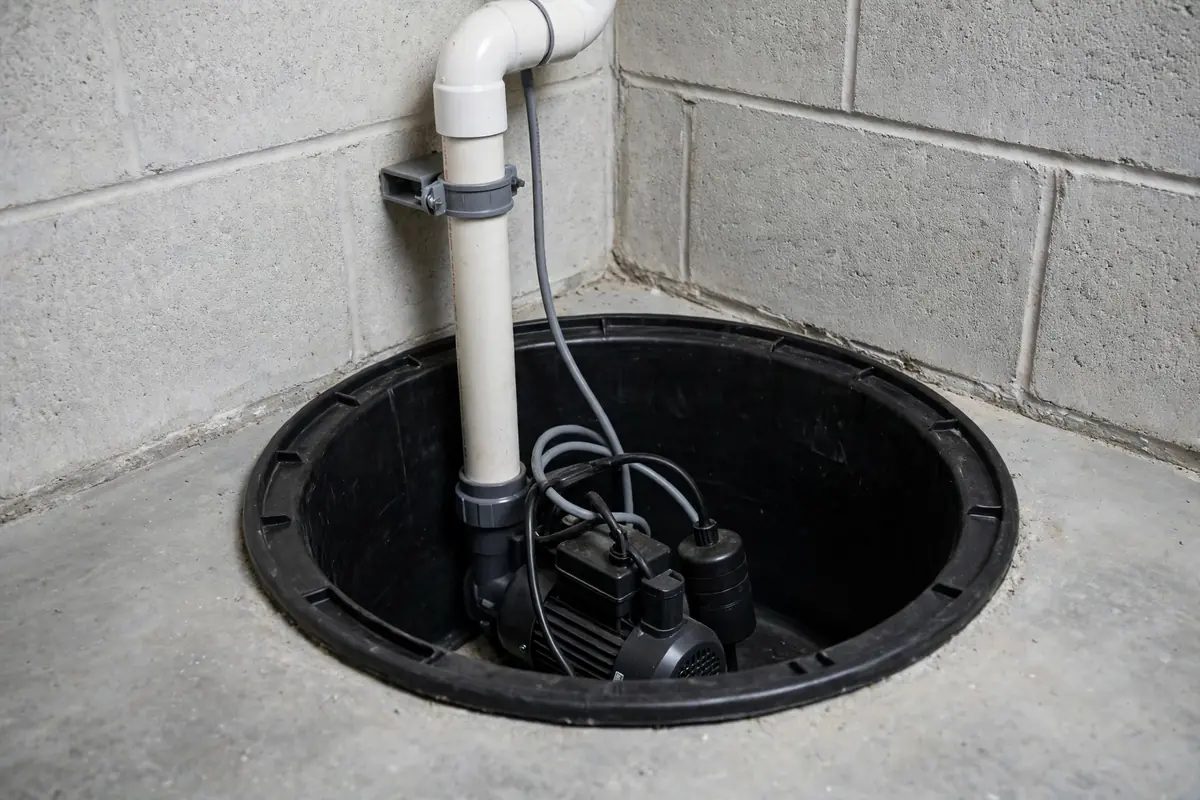
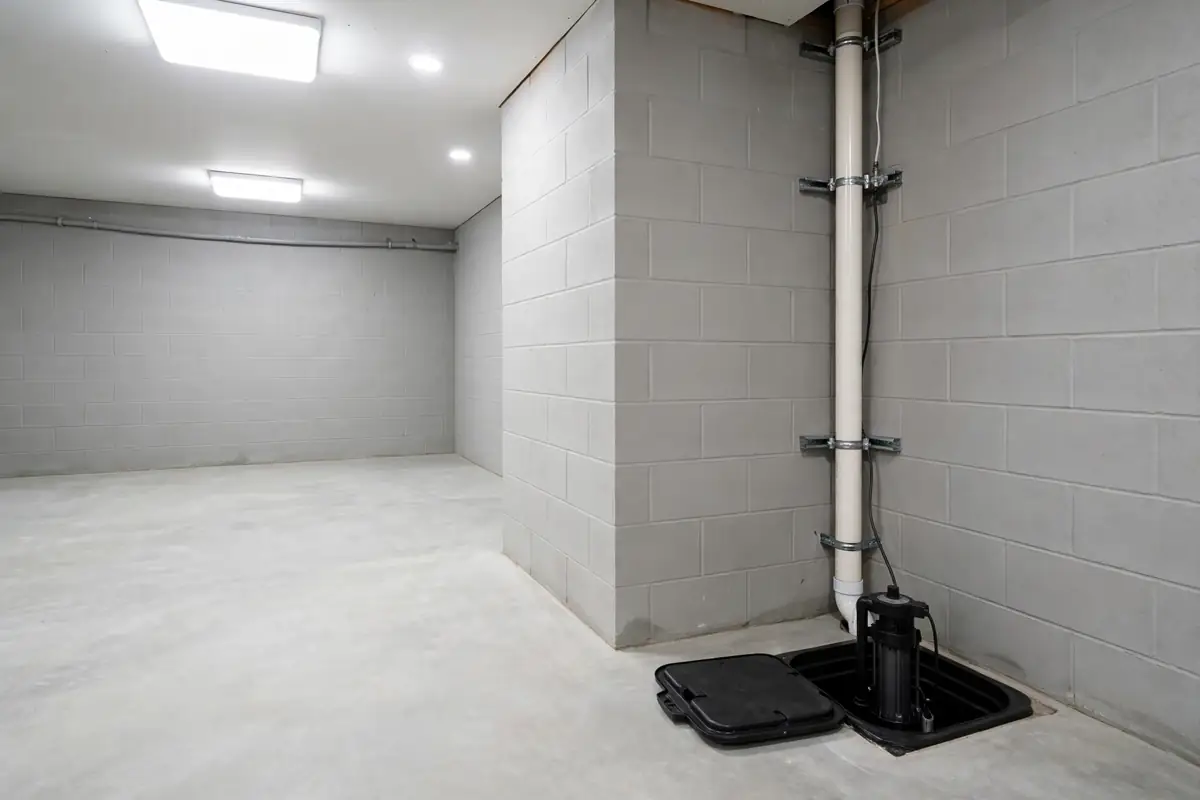
Interior perimeter drainage that catches water at the joint and carries it to a sump pump, which discharges it away from the house. It accepts that water will come and gives it somewhere to go.
After the next heavy rain, walk the basement perimeter and note exactly where water appears: walls, floor joint, or up through floor cracks. Call (857) 754-6182 with that map. Where water shows up determines the system design.
This site is protected by reCAPTCHA and the Google Privacy Policy and Terms of Service apply.