Basement Waterproofing guide • Quincy, MA
Sump Pump 101: The One Machine Between You and a Flooded Basement
A sump pump is a simple machine with one job, and it does that job in the dark, underwater, for years. Until the one night it matters most.
Basement Waterproofing guide • Quincy, MA
A sump pump is a simple machine with one job, and it does that job in the dark, underwater, for years. Until the one night it matters most.
Most sump pump failures are not mechanical mysteries. They are maintenance nobody did and backups nobody installed. Here is the whole picture.
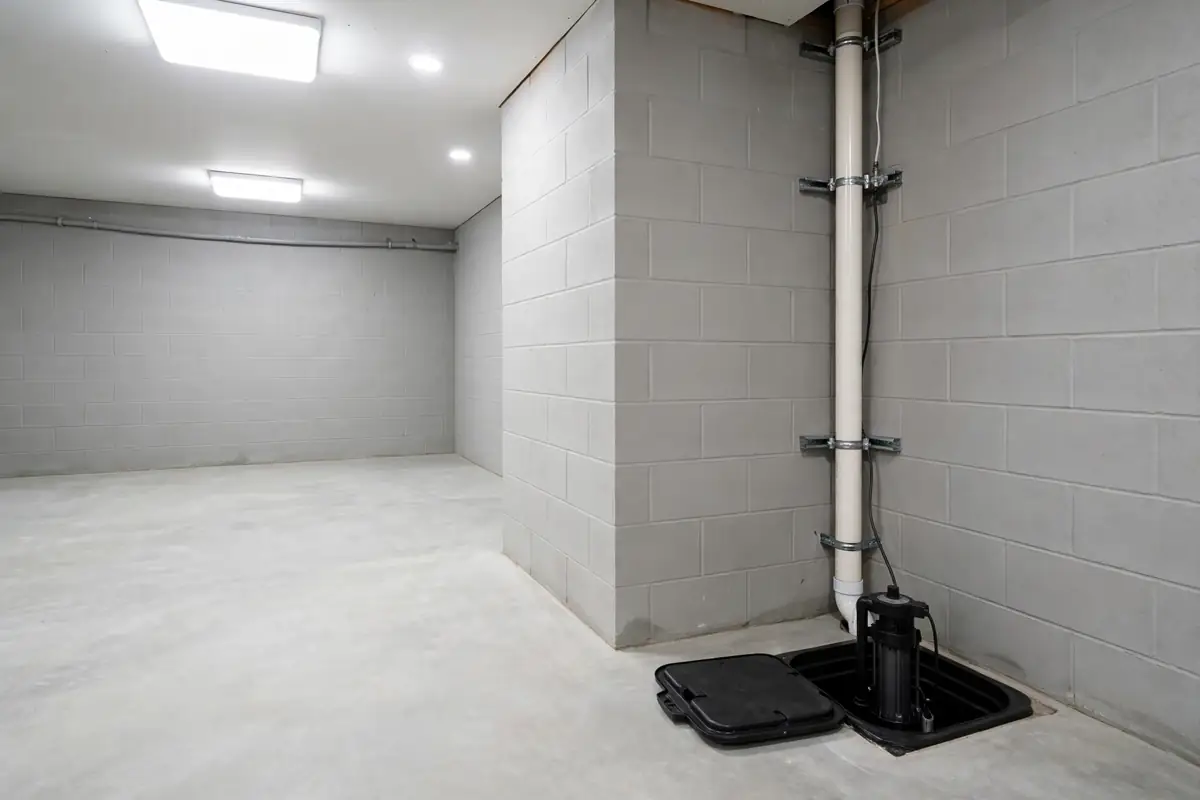
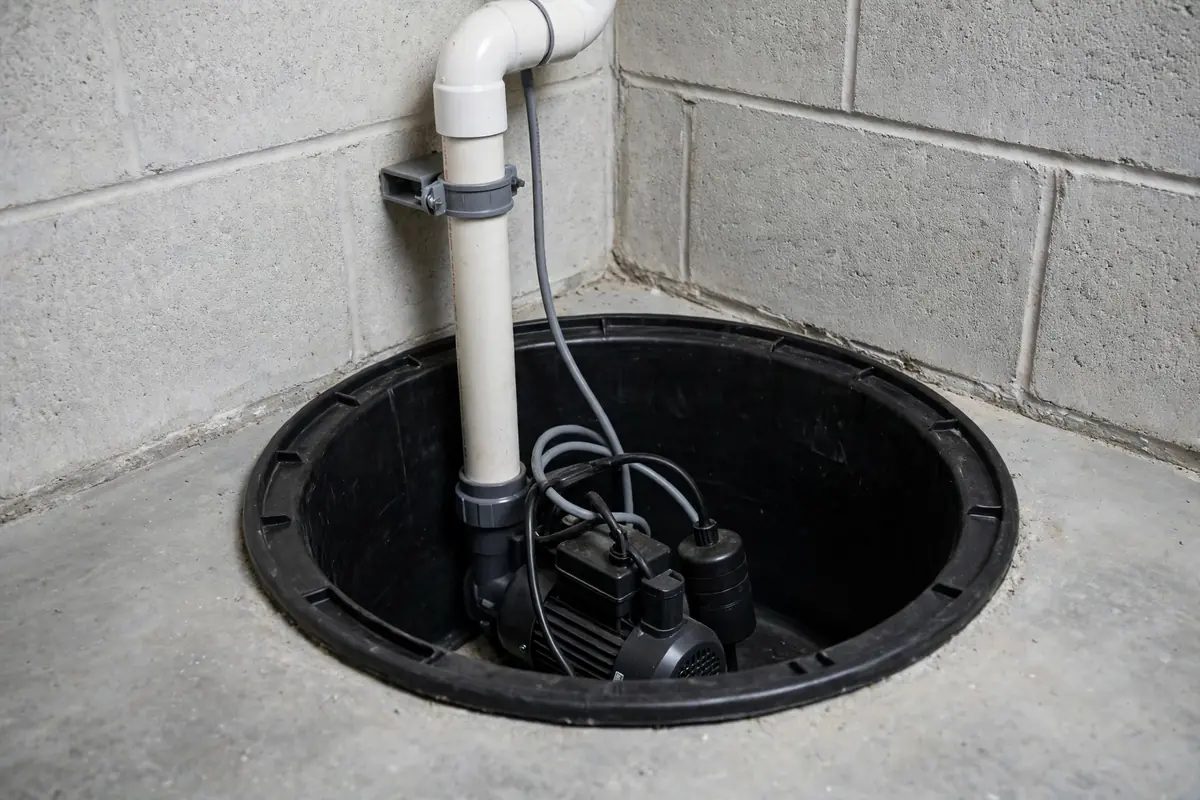
Water collects in the basin, a float switch rises with it, the pump kicks on and pushes water out through the discharge pipe. The whole cycle takes seconds. When any link in that chain breaks, the basin overflows.
Pour a bucket of water into the basin and watch the pump cycle. Check that the float moves freely and the discharge flows outside, not back toward the foundation. Five minutes, twice a year.
Without a check valve, water in the discharge pipe flows back into the basin when the pump stops, and the pump short-cycles itself to death. A rattling or constantly cycling pump often just needs a ten-dollar valve.
Seven to ten years is typical. If yours is older and you cannot remember it being serviced, it is living on borrowed time. Replacing it on your schedule beats replacing it during a storm.
Quincy storms knock out power, and power outages arrive with the same rain that fills the basin. A battery backup or water-powered backup pump is what keeps the system working when the grid does not.
Go look at your pump: find the install date if there is a label, check the basin for debris, and confirm the discharge exits well away from the house. Then call (857) 754-6182 if anything is unknown; a pump you cannot vouch for is a pump you cannot trust.
This site is protected by reCAPTCHA and the Google Privacy Policy and Terms of Service apply.